The Feast of Booths, the Transfiguration, and the Kingdom of God
The Feast of Booths is not something we often take the time to study because understanding it requires spending considerable time in the Old Testament. Yet the New Testament assumes that its readers are familiar with it. In fact, knowing about the Feast of Booths helps us better understand the Transfiguration in Matthew 17 and, even more, the Kingdom of God.
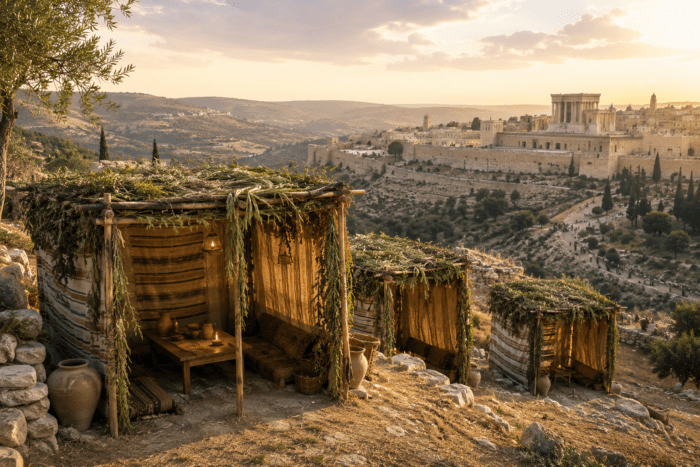
What Is the Feast of Booths?
The Feast of Booths (Sukkot in Hebrew) was an important celebration in both the Old Testament and New Testament eras. It was one of the three annual feasts during which all the males in Israel were required to appear before the Lord in Jerusalem (Deut. 16:16).
The Feast of Booths was an eight-day celebration (beginning on Tishri 15 on the Jewish calendar), which falls around September or October on our calendar. During this feast, the people lived in temporary shelters (booths) and presented offerings to the Lord (Lev. 23:36). According to Leviticus 23:42, the command to dwell in booths applied specifically to native-born Israelites.
The Purpose of the Feast of Booths
The purpose of the Feast of Booths was to remind Israel that God had brought them out of the land of Egypt, redeeming His people and granting them salvation from slavery (Lev. 23:43). After leaving Egypt, Israel journeyed through the wilderness, living in temporary shelters before entering the Promised Land. Their annual observance of the Feast of Booths served as a vivid reminder of God’s faithfulness, provision, and redemption throughout that wilderness journey.
The Feast of Booths and the Kingdom of God
There is a fascinating detail in Zechariah 14 concerning the future kingdom of the Messiah. Zechariah 14 describes the return of the Messiah and His victory over the nations that oppose Jerusalem. After establishing His kingdom, Zechariah 14:16 declares:
“Then it will come about that any who are left of all the nations that went against Jerusalem will go up from year to year to worship the King, the Lord of hosts, and to celebrate the Feast of Booths.”
Here we see the Feast of Booths extended beyond Israel to include the nations that survive the Messiah’s judgment. Previously, the Feast of Booths was an obligation given specifically to Israel. However, in the kingdom described by Zechariah, the nations themselves will be required to worship the Lord and commemorate His faithfulness and redemption. According to the prophet, there will even be severe consequences for those who refuse to celebrate the feast (Zech. 14:18–19).
This raises an intriguing question. Does the Feast of Booths take on an expanded significance in the Messianic Kingdom? Perhaps it will become the nations’ own annual reminder that God has redeemed them from their former rebellion and brought them into the blessings of His kingdom.
The Feast of Booths and the Transfiguration in Matthew 17
Interestingly, Zechariah 14 appears to provide the Old Testament background for the Transfiguration in Matthew 17. After Peter witnesses the unveiled glory of the Messiah, he immediately suggests building three booths if Jesus permits him (Matt. 17:4).
Was Peter simply acting impulsively or suggesting an impromptu camping trip? I do not think so. Rather, Peter recognized that Zechariah 14 prophesied that when the Messiah established His kingdom, the nations would celebrate the Feast of Booths. Seeing the glorified Messiah standing before him, Peter naturally concluded that the kingdom had arrived and wanted to begin the celebration immediately.
However, the timing was not yet right. Jesus had not yet established His earthly kingdom, so the celebration of the Feast of Booths in its kingdom fulfillment would have to wait.
The Feast of Booths provides an excellent example of how careful study of the Old Testament enriches our understanding of the New Testament. Knowing the significance of this feast not only illuminates God’s future kingdom program but also explains why Peter responded as he did during the Transfiguration. Like any faithful Jewish disciple, Peter’s theology was deeply rooted in the Old Testament Scriptures. His reaction makes perfect sense once we understand the biblical background.
Once again, we are reminded that we should never neglect a careful study of the Old Testament, for it provides the indispensable foundation upon which the New Testament is built.

Peter Goeman
Peter serves at Shepherd's Theological Seminary in Cary, NC as the professor of Old Testament and Biblical Languages. He loves studying the Bible and helping others understand it. He also runs The Bible Sojourner podcast and Youtube channel.
One Comment
Matthew
Thank you! We thought we were the only ones who saw this link. God bless.