What “Lukewarm” Really Means in Revelation 3:16 — The Forgotten Context of Laodicea
In Revelation 3:14-22 Jesus addresses the church of Laodicea and sternly rebukes their deeds. He says, “I know your deeds, that you are neither cold nor hot; I wish that you were cold or hot. So because you are lukewarm, and neither hot nor cold, I will spit you out of My mouth” (vv. 15-16).

The most popular interpretation of Revelation 3:16, and particularly the nuance of “lukewarm,” is as follows: (1) the hot water stood for people who follow God, (2) the cold water stood for people who reject God, and (3) lukewarm stood for nominal Christianity.
This interpretation holds that lukewarm Christianity is deplorable to Christ and that it would be better to be completely opposed to Christ than to be lukewarm, or nominally committed to Him. Although many commentators I respect hold to some variation of this position, I have since become convinced of what I believe is a better understanding of Jesus’ words here, especially in making sense of the idea of being lukewarm.
The Lukewarm Concept and the Geographical Location of Laodicea
Laodicea was an important center of medicine, banking, and business. They were so wealthy that historical sources tell us that after their city was wiped out by an earthquake in 60 AD, they were able to finance the reconstruction of the city without help from Rome. The only downside to the city was the lack of enough water to support its large population.
Thus, Laodicea had to import water from Hieropolis (about 6 mi NE) and Colossae (only a short distance SE). A look at the map shows the relationship between these cities.
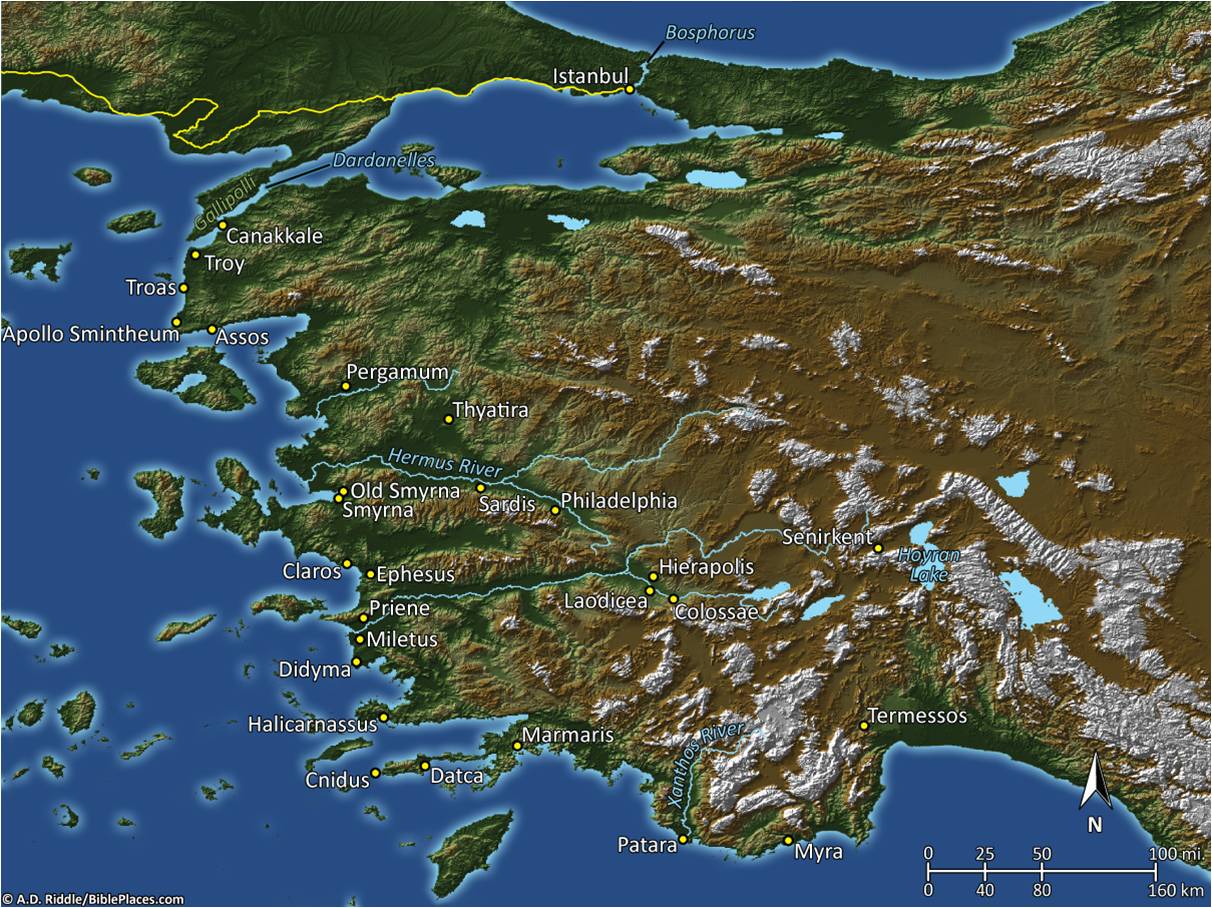
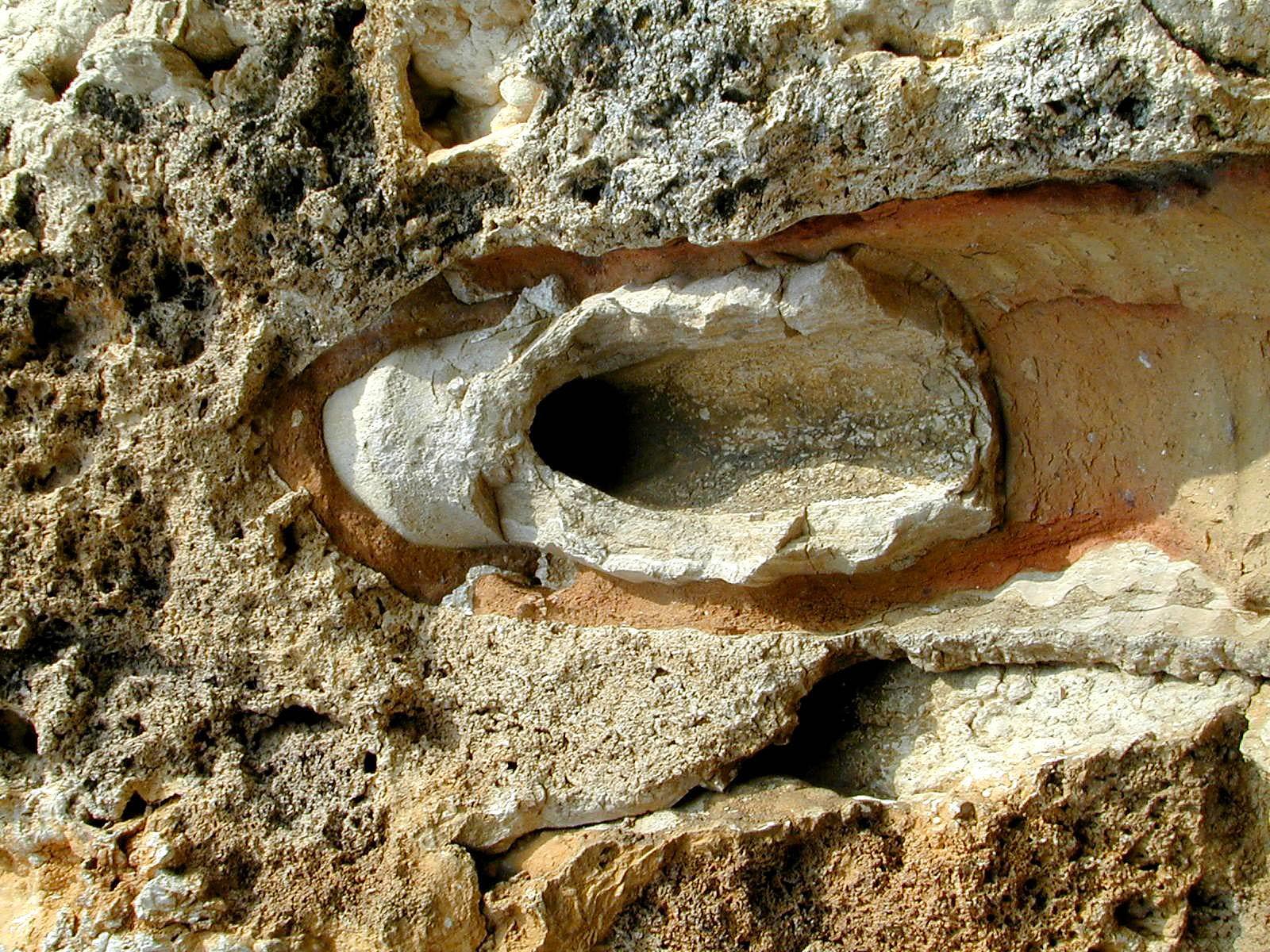
Hierapolis was known for its hot springs, which were valuable for their medicinal function. Colossae was home to springs that produced cold, pure water. However, because this water was shipped via aqueduct to Laodicea, by the time the water arrived, it had become lukewarm. The lukewarm water was obviously of poor drinking quality because of the conditions of the aqueducts, and it often produced vomiting.
Jesus’ Use of the Lukewarm Concept
A problem with the view I used to hold is that by using the term lukewarm in such a way, Jesus appears to be saying that he would not judge the Laodiceans if they had been cold in their deeds (Rev 3:16). This does not make sense to me if cold is referring to a spiritually callous heart.
It seems that the way the Laodiceans would read Jesus’ message is in light of the sources of their water supply situation. The cold water from Colossae was pure and useful for drinking, and the hot water from Hierapolis was hot and useful for medical purposes. However, both cold and hot water become relatively useless by the time they arrive in Laodicea. By the time the water arrived in Laodicea, it was lukewarm, unable to be used for medicinal purposes, and the lukewarm water also caused vomiting for those who drank it. Hence, Jesus appears to be rebuking the Laodiceans and calling them to repent and make their deeds acceptable and useful to Christ, like either the hot or the cold water, rather than something that is lukewarm and useless.
Images used from Pictorial Library of Bible Lands Collection

Peter Goeman
Peter serves at Shepherd's Theological Seminary in Cary, NC as the professor of Old Testament and Biblical Languages. He loves studying the Bible and helping others understand it. He also runs The Bible Sojourner podcast and Youtube channel.
One Comment
Garrell
Peter, I really enjoyed your book on Baptism. I have a few questions regarding your blog on Laodicea.
1. Where did you get your info? I did not see any citations. You talk about most popular, but don’t cite where this info was cited. Also, who were the many commentators you reference? No names were given. Also, you say Laodicea is an important center for banking etc, where did you get this info? Was both waters from both cities being sent down the same aqueduct?